Planning Your Pool Table Installation
What really matters when moving or setting up a slate table in your home — and why preparation beats everything else.
The hook
A slate pool table is not furniture. It is a heavy, precision instrument that demands respect during installation and ongoing care. When we decided to move ours last year, I learned that "moving a pool table" is not one task but five: measuring the doorways, checking whether the floor can handle it, finding someone who actually knows what they are doing, planning the actual move day, and understanding what happens after it lands. Every step matters. Get one wrong and you will spend money correcting it, and possibly damage something that cannot be easily replaced.
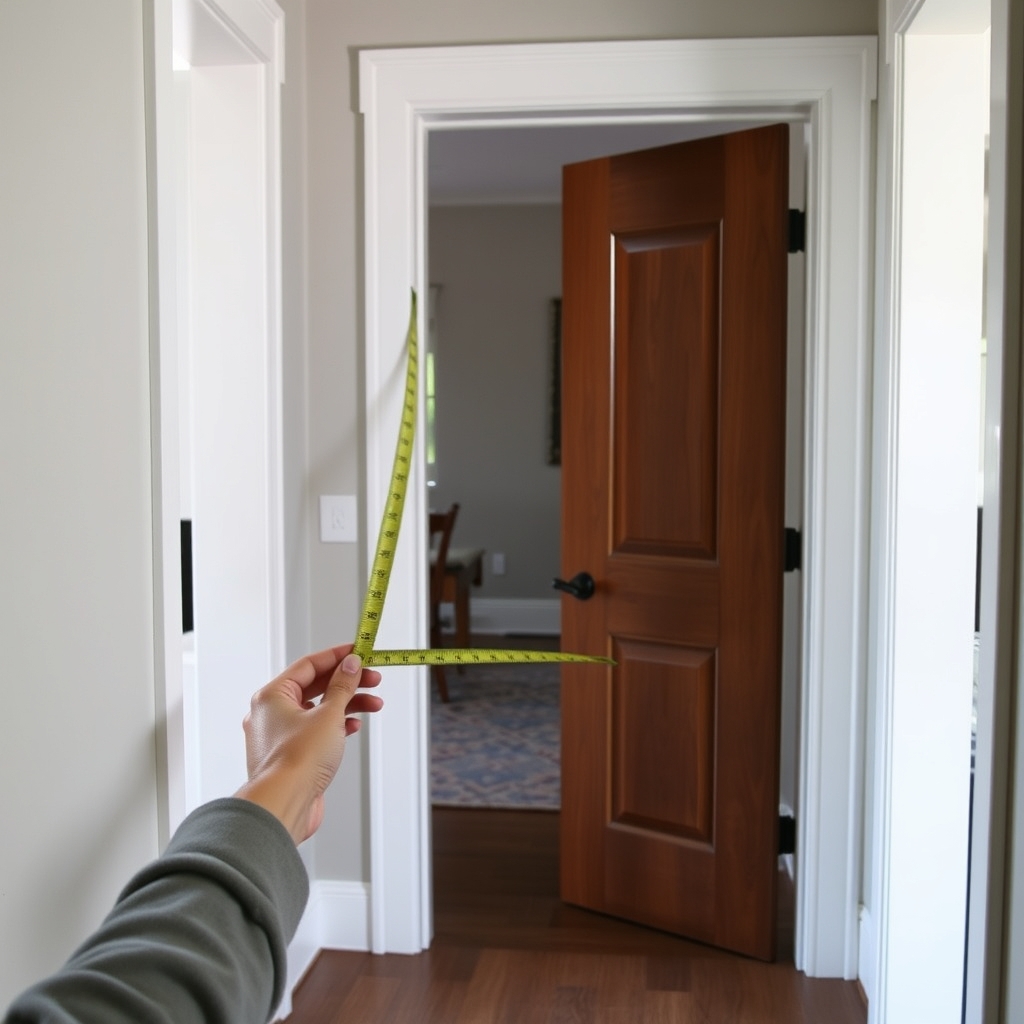
The difference between a move that goes smoothly and one that turns into a five-hour disaster often comes down to things that take fifteen minutes to check beforehand. This is what I learned, and what I keep telling friends when they start asking whether they can handle a pool table move themselves.
The substance of the argument
A professional service center is not a luxury — it is the difference between a technician who is familiar with your table's specific construction and one who is learning as he goes. A good shop has the right tools, the right replacement parts in stock, and years of familiarity with the brands and models that matter.

The evidence, laid out
Slate tables weigh well over five hundred pounds. Some slate beds run closer to a thousand pounds. That weight is distributed across four legs, which means the floor underneath carries a point load that is orders of magnitude higher than a person standing still. A basement floor that feels solid under your feet may flex at the corner where those four legs land.
The second problem is the doorways. Moving a disassembled table through a standard residential doorway often means angling the slate at forty-five degrees or tilting the frame sideways. One miscalculation — one door frame that is a half-inch narrower than expected, one hallway that takes an unexpected turn — can mean removing the door from its hinges, removing sections of the frame itself, or in the worst cases, removing the slate from the frame in pieces and reassembling it on the other side.
The third problem is the surface itself. Slate cracks along its grain if it is dropped, twisted, or set down unevenly. A table that is level at the center but resting on three feet of four will play differently, roll the balls to one side, and eventually damage the slate as the weight shifts. And once slate cracks, it cannot be easily repaired. You will replace the slate bed, which costs thousands of dollars.